


-

Add: HeBei ShengShi HongBang Cellulose Technology CO.,LTD.
-

Email
13180486930@163.com -

CONTACT US
+86 13180486930
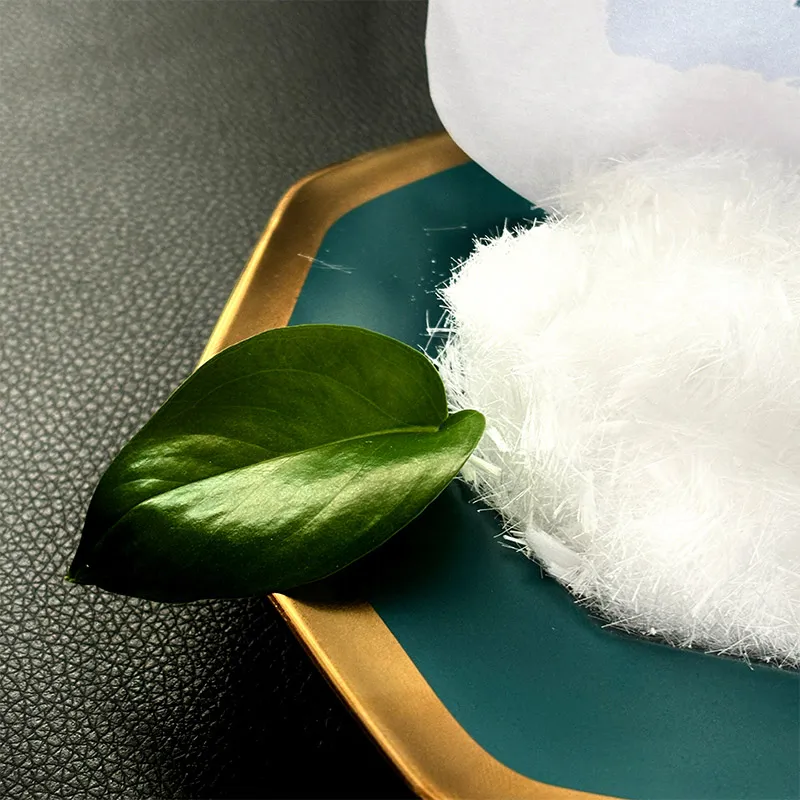
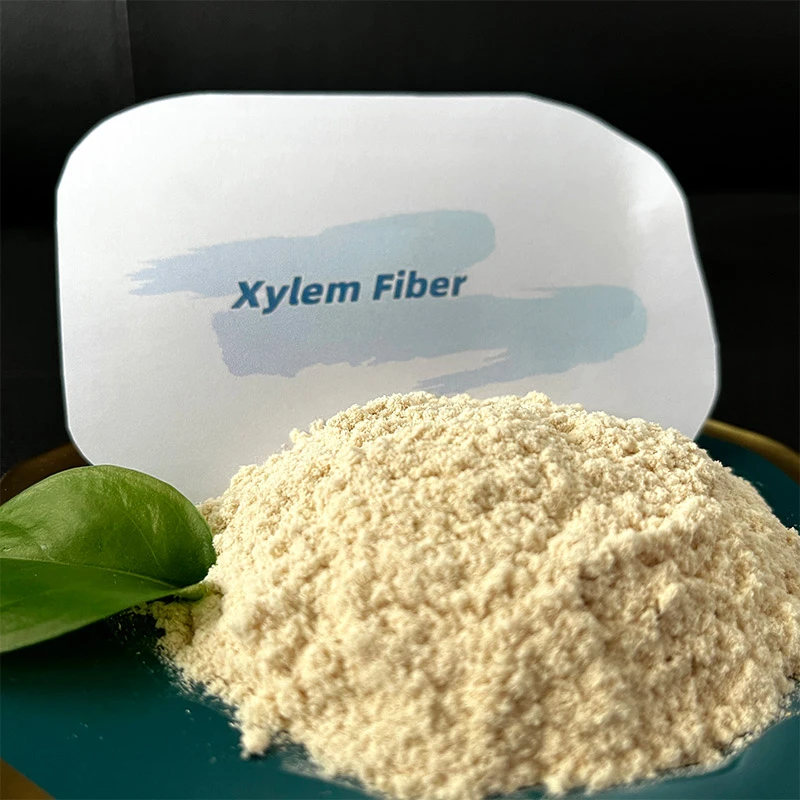
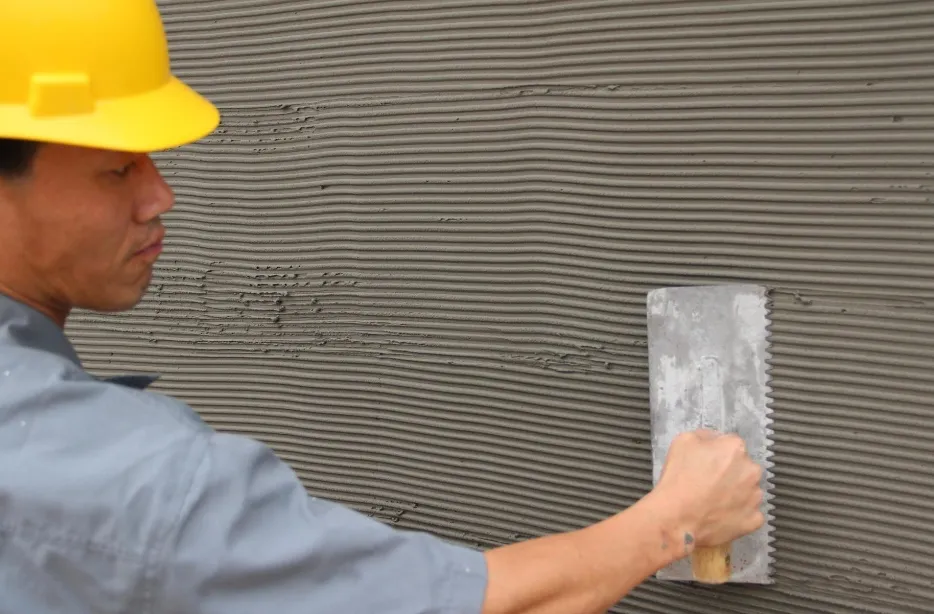
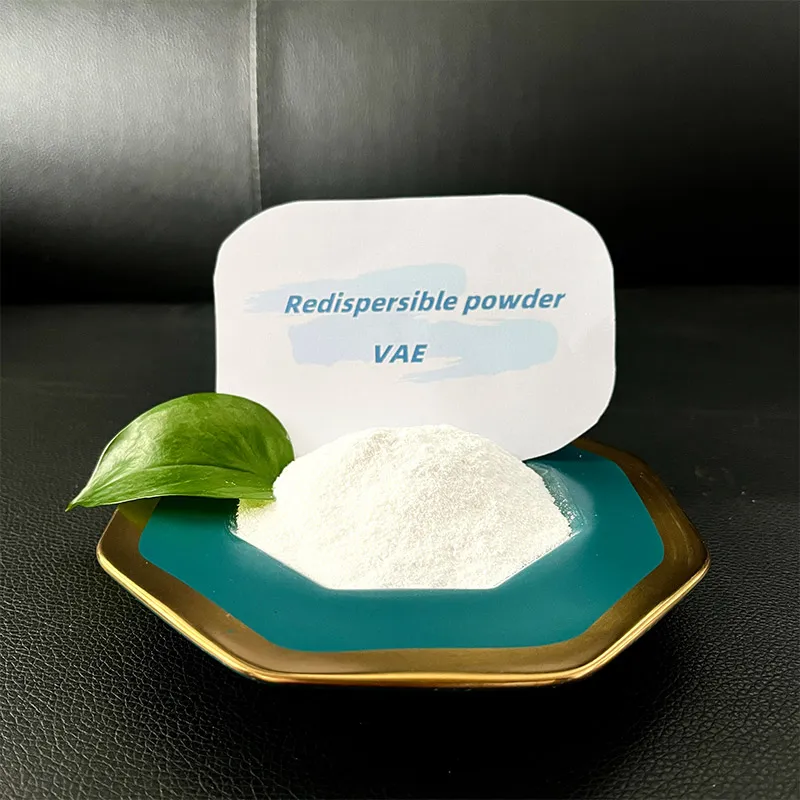




In the world of modern construction, synthetic fibers have revolutionized the way materials are used, enhancing the strength, flexibility, and durability of various building components. The different types of synthetic fibers available today are engineered for specific uses, making them indispensable in many construction projects. These fibers are often used to reinforce concrete, improve the resilience of building structures, and provide additional benefits like increased fire resistance and weather protection. From polypropylene fibers to long glass fibers , synthetic fibers offer a range of options tailored to different needs. Whether it’s increasing the strength of cement or providing insulation properties, the different types of synthetic fibers ensure that construction projects meet high standards of quality and longevity. In addition to their superior performance, synthetic fibers are often more cost-effective and readily available than traditional materials. This makes them a preferred choice for construction companies aiming to reduce costs while maintaining high-quality results. Furthermore, the environmental impact of synthetic fibers is increasingly being addressed with sustainable production methods, making them a more eco-friendly option for the construction industry. Long Glass Fiber Polypropylene: A Key Ingredient for Stronger Materials One of the standout synthetic fibers in the construction industry is long glass fiber polypropylene . This innovative fiber combines the strength of glass with the lightweight, corrosion-resistant properties of polypropylene. As a result, long glass fiber polypropylene is often used to reinforce concrete and other building materials, providing a significant boost in durability and performance. The inclusion of long glass fiber polypropylene in construction materials helps reduce cracking and improve the structural integrity of buildings and roads. The long fibers create a matrix that distributes stresses evenly across the material, preventing localized damage. This fiber is particularly useful in high-strength concrete applications where additional reinforcement is needed. Moreover, long glass fiber polypropylene is highly resistant to environmental factors like moisture, UV radiation, and temperature changes, making it ideal for both indoor and outdoor construction projects. It is commonly used in applications like paving, drainage systems, and even in the production of prefabricated building components. Its versatility and effectiveness in improving the lifespan and reliability of building materials make it a go-to solution for modern construction needs. Fibre Natural and Synthetic: A Comparison of Strength and Sustainability When choosing materials for construction, understanding the difference between fibre natural and synthetic options is crucial. While natural fibers such as jute, hemp, and cotton have been traditionally used in construction, synthetic fibers like polypropylene, polyester, and nylon have emerged as more durable and cost-effective alternatives. Fibre natural and synthetic materials each have their own advantages, making them suitable for different types of applications. Natural fibers are renewable, biodegradable, and often produced using more sustainable methods, making them a more eco-friendly option. However, they may not offer the same level of strength or resistance to environmental factors as synthetic fibers. On the other hand, synthetic fibers are engineered for durability, offering superior resistance to moisture, heat, and wear. They are often used to enhance the properties of natural materials, making them more suitable for demanding construction environments. For example, natural fibers like hemp may be used in insulation or as a reinforcement material in low-stress applications, while synthetic fibers like polypropylene or polyester are used for high-strength reinforcement in concrete, roofing, and other critical structures. By combining the best of both fibre natural and synthetic materials, construction companies can achieve optimal performance and sustainability. Non-Woven Polypropylene Fiber: A Revolutionary Material in Construction Non woven polypropylene fiber is another essential material that is increasingly being used in the construction industry. Unlike traditional woven fabrics, non woven polypropylene fiber is made from a process that bonds fibers together without weaving or knitting, resulting in a highly versatile material with excellent durability and moisture resistance. This fiber is widely used in applications like drainage systems, geotextiles, and road construction. Non woven polypropylene fiber provides a lightweight yet strong solution for reinforcing construction materials. It is often used in soil stabilization, as it helps prevent erosion and improves the strength of the ground underneath roads, bridges, and buildings. The material's ability to resist moisture also makes it ideal for protecting against corrosion and extending the lifespan of infrastructure. Additionally, non woven polypropylene fiber is environmentally friendly, as it is made from recyclable polypropylene, a material that can be repurposed for various other uses. Its cost-effectiveness, combined with its high-performance qualities, makes it a popular choice for contractors seeking durable and sustainable solutions for their construction projects. S ynthetic F ibers FAQs What are the different types of synthetic fibers used in construction? Synthetic fibers used in construction include polypropylene, polyester, nylon, and glass fibers. Each type is engineered for specific applications, such as reinforcing concrete, improving durability, and providing insulation. What is long glass fiber polypropylene, and why is it important in construction? Long glass fiber polypropylene is a fiber that combines the strength of glass with the lightweight, corrosion-resistant properties of polypropylene. It is essential in construction for reinforcing concrete, improving structural integrity, and preventing cracking. What are the benefits of using natural fibers in construction? Natural fibers , like hemp or jute, offer benefits such as renewability, biodegradability, and sustainability. They are commonly used for insulation and low-stress reinforcement, but may not be as durable or resistant to environmental factors as synthetic fibers. How does non-woven polypropylene fiber differ from woven fabrics? Unlike woven fabrics, non-woven polypropylene fiber is made through a bonding process that does not involve weaving or knitting. This results in a highly durable and moisture-resistant material, commonly used in geotextiles, drainage systems, and soil stabilization. Are synthetic fibers environmentally friendly? While synthetic fibers are often made from petroleum-based products, many are now produced using more sustainable methods. Additionally, materials like non woven polypropylene fiber are recyclable, making them a more environmentally friendly choice in construction. As construction needs evolve, synthetic fibers like long glass fiber polypropylene and non woven polypropylene fiber continue to play a crucial role in enhancing the strength, durability, and sustainability of building materials. If you're in the construction business, investing in these cutting-edge fibers will improve the performance of your projects and contribute to more eco-friendly practices. Visit our website today to explore our wide range of high-quality synthetic fibers and learn how they can transform your construction projects!
- 40000tons

Production
- 20+years

Experience
- 5000+㎡

Acreage

-
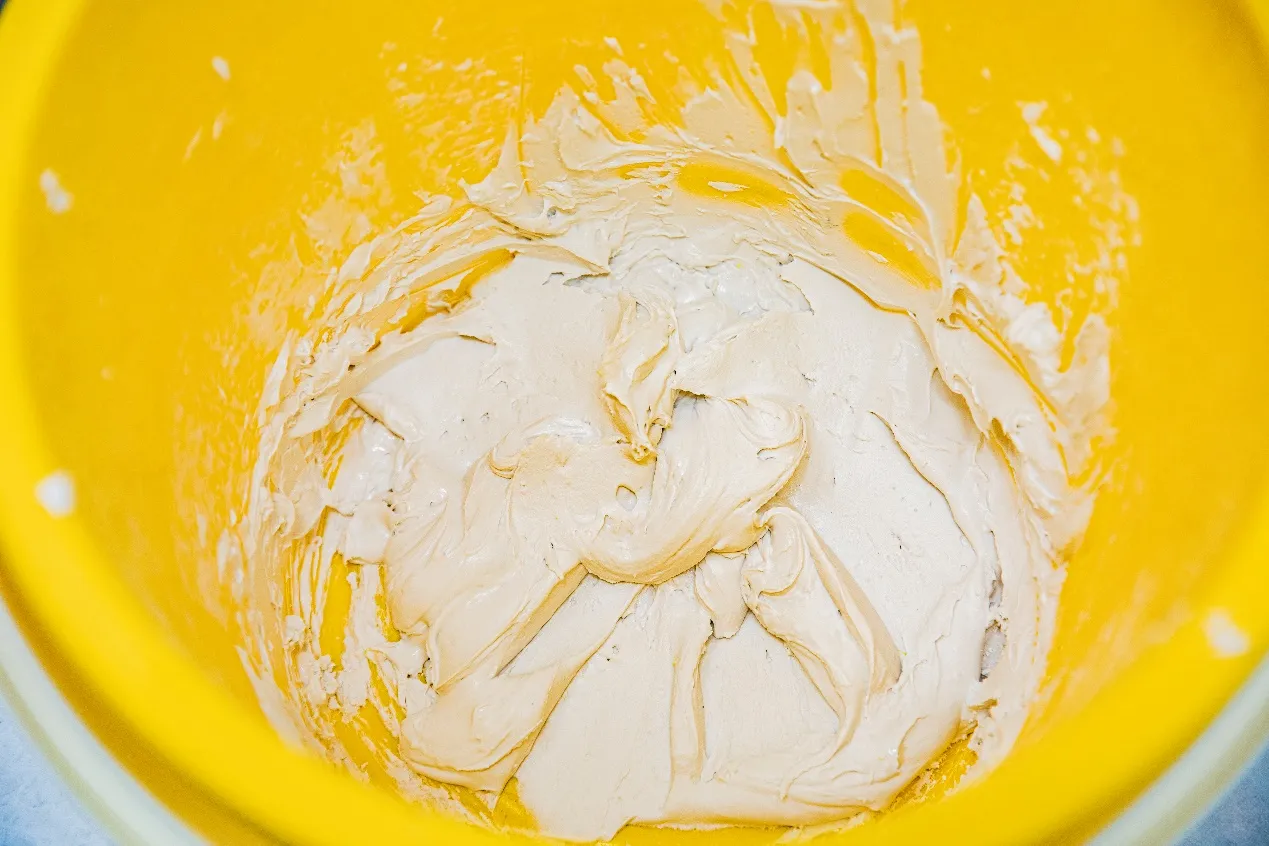
Hydroxypropyl Methylcellulose (HPMC) stands as an innovative polymer solution , lauded for its multifaceted applications across various industries. This versatile compound, classified under nonionic cellulose ethers, has emerged as a pivotal player in enhancing the functionality and performance of a plethora of products, from construction materials to pharmaceuticals, and even food and personal care items. Real-world applications of HPMC are a testament to its exceptional qualities. In the construction industry, it is integral in improving the properties of materials such as cement and gypsum. Contractors and engineers often highlight their personal experiences using HPMC as a reliable additive. Its functions in enhancing water retention, workability, and open time are well-documented, contributing to more efficient building processes and superior quality finishes. HPMC's ability to improve the texture and adhesion of construction components exemplifies its indispensable role in modern construction practices. From a professional standpoint, the pharmaceutical industry champions HPMC as a critical component in formulating controlled-release medications. Its non-toxic and biocompatible nature ensures safety and efficacy, forming an essential part of many oral and topical pharmaceuticals. Pharmacists and drug manufacturers praise HPMC for its ability to control the release profile of active ingredients, improving therapeutic outcomes and patient adherence. Additionally, its role in creating clear, stable suspensions in liquid medications underpins its professional endorsement. The authority of HPMC extends into the food industry, where it acts as a thickener, stabilizer, and emulsifier. Food scientists regularly emphasize its importance in maintaining the texture and consistency of processed foods. HPMC's heat-resistant properties make it ideal for improving food viscosity without altering taste or nutritional content, earning the trust of chefs and culinary professionals alike. Its use in gluten-free baking to enhance dough elasticity and maintain moisture serves as a perfect example of its authoritative position in food science. hydroxypropyl methylcellulose Trust in HPMC is further anchored by its regulatory approvals from agencies like the FDA and the EFSA. These endorsements underscore its safety and applicability in consumer products, fostering confidence among manufacturers and consumers. The transparency in its sourcing and manufacturing processes ensures that HPMC meets stringent quality standards, thus reinforcing its reliability and integrity. Beyond its technical benefits, HPMC is revered for its environmental friendliness. Professionals across various sectors increasingly acknowledge its sustainable production, which aligns with global movements towards greener manufacturing practices. Its biodegradability and derivation from natural cellulose enhance its appeal as an eco-conscious alternative to synthetic additives, further cementing HPMC as a preferred choice among environmentally aware businesses. The future potential of HPMC continues to expand as research and innovation unveil new possibilities and applications. Industries constantly seek improved formulations, and HPMC's adaptability to new demands speaks to its enduring relevance. As experts delve deeper into unlocking its untapped capabilities, it's clear that HPMC will remain a staple across multiple domains, continually shaping and enhancing industry standards. In conclusion, Hydroxypropyl Methylcellulose is more than just a versatile polymer; it's a cornerstone of contemporary product development and innovation. Its application breadth, coupled with authoritative endorsements and a robust track record of trust, makes HPMC a vital component in advancing industry practices and consumer products. As industries evolve, professionals and consumers alike can rely on HPMC to deliver quality, performance, and sustainability.
-
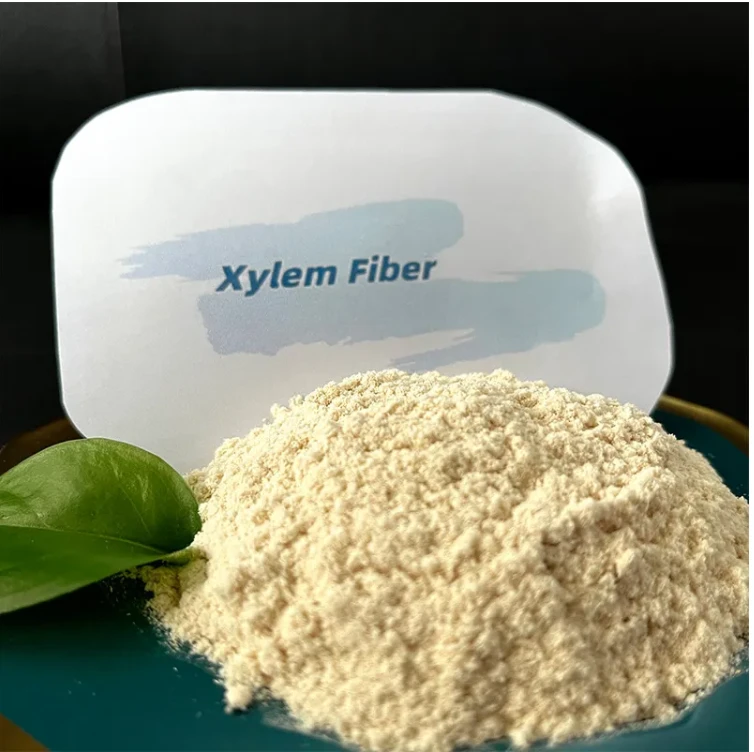
Different Types of Synthetic Fibers Synthetic fibers have revolutionized the textile industry since their inception in the early 20th century. These man-made materials, derived from chemical processes or petroleum products, have become indispensable due to their unique properties, versatility, and cost-effectiveness. In this article, we will explore the different types of synthetic fibers, highlighting their characteristics, uses, and contributions to various industries. 1. Polyester One of the most widely used synthetic fibers is polyester, which is known for its strength, durability, and resistance to shrinking and stretching. Polyester is commonly produced from polyethylene terephthalate (PET) and is often blended with natural fibers like cotton to enhance fabric performance. Its low moisture absorbance makes it an excellent choice for athletic wear, outdoor clothing, and home textiles such as curtains and upholstery. Additionally, polyester is easy to wash and dries quickly, further contributing to its popularity in the fashion industry. 2. Nylon Developed in the 1930s, nylon was the first synthetic fiber made entirely from petrochemicals. Known for its remarkable elasticity and resilience, nylon is often used in products requiring high strength, such as fishing lines, ropes, and tire cords. In the apparel sector, nylon is favored for its lightweight qualities and ability to dry quickly, making it ideal for activewear and swimwear. Furthermore, nylon can be produced in various textures and finishes, enabling its application in a wide range of clothing and accessories. 3. Acrylic Acrylic fibers, often used as substitutes for wool, are known for their lightweight and warmth. They are created from polymers of acrylonitrile and possess excellent colorfastness, meaning they retain their color even after extensive washing. Acrylic is commonly found in sweaters, blankets, and upholstery fabrics. Although they mimic the feel of natural wool, acrylic fibers are often more affordable and easier to care for, making them a popular choice for both consumers and manufacturers. different types of synthetic fibers 4. Spandex Spandex, also known as elastane, is a synthetic fiber celebrated for its exceptional elasticity. Typically composed of a polymer called polyurethane, spandex can stretch up to five times its original length. This characteristic makes it an ideal component in garments requiring flexibility, such as athletic apparel, swimwear, and undergarments. Often blended with other fibers, spandex enhances fit and comfort while providing support and shape retention. 5. Rayon Though technically derived from natural materials, rayon is classified as a semi-synthetic fiber due to chemical processing. Made from regenerated cellulose, rayon exhibits similar characteristics to silk, making it a popular choice for affordable luxury fabrics. Rayon drapes beautifully and has excellent breathability, making it suitable for summer clothing, dresses, and linings. However, rayon's susceptibility to wrinkling and moisture absorption requires careful handling during washing and drying. 6. Olefin Olefin fibers, also known as polypropylene fibers, are notable for their high resistance to moisture, stains, and mildew. This makes them an excellent choice for outdoor furniture, carpets, and automotive interiors. Olefin is lightweight and has good thermal insulation properties, which can be advantageous in clothing designed for colder climates. However, olefin can be less colorfast than other synthetic fibers, which may affect its use in fashion applications. Conclusion The development of synthetic fibers has not only expanded the range of available materials in the textile industry but has also provided innovative solutions across various sectors. Each type of synthetic fiber offers distinct advantages, catering to different consumer needs and preferences. From polyester and nylon's durability to spandex's elasticity, synthetic fibers continue to play a vital role in modern manufacturing and fashion. As technology advances, the potential for new types of synthetic fibers will likely continue to emerge, further enhancing the versatility and capabilities of textiles worldwide.
advantages
-

200000 Viscosities
Excellent product
We can produce pure products up to 200,000 viscosities
-

40000 tons
High yield
We don’t stop production all year round, and the annual output can reach 40,000 tons
-

24 hours
Quality service
We provide 24-hours online reception service, welcome to consult at any time
———— Inquiry Form
Schedule A services

-
 hpmc_k100m_use
Oct . 25, 2025
L’idrossipropilmetilcellulosa (HPMC), con il suo grado specifico E5, ha attirato l'attenzione di mol -
 cellulose_paint_for_wood
Oct . 25, 2025
Hydroxypropyl Methylcellulose (HPMC) has emerged as a crucial ingredient in various industries, with -
 poda_ya_hydroxypropyl_methylcellulose
Oct . 25, 2025
Understanding the distinctions between HPMC K and E series is critical for various industries, such


